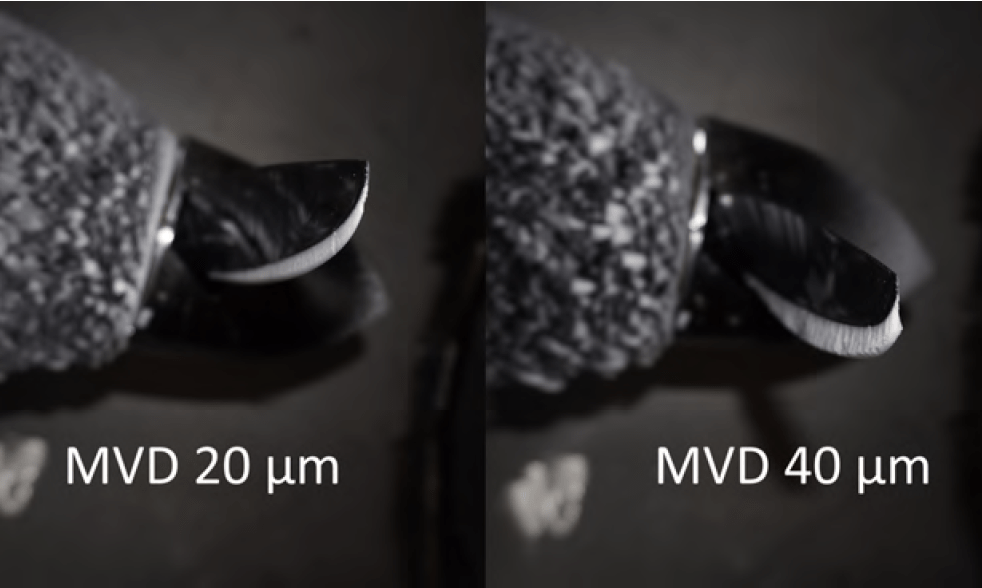
**NEW PUBLICATION** In one of our recent icing wind tunnel campaigns, the NTNU UAV Icing Lab investigated how ice accretion affects the performance of a UAV propeller in collaboration with Ubiq Aerospace and the Université du Québec à Chicoutimii (UQAC). What happens when a drone rotors are exposed to icing conditions and start to develop irregularContinue reading “How Ice Affects Drone Propellers: Results from Icing Wind Tunnel Experiments”
Author Archives: uavicinglab
UAV Icing: Icing Effects on Control Surfaces
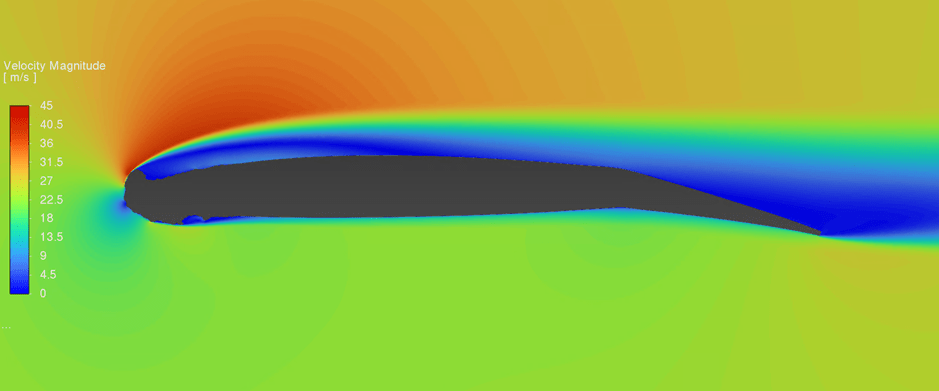
**NEW PUBLICATION** The adverse effects of in-flight icing on small fixed-wing UAVs are a research topic with increasing interest. While the research primarily focuses on clean wing configurations, the impact of leading-edge ice accretion on the aerodynamic performance with deflected control surfaces has been neglected. However, ice accretion has a significant effect on the flowContinue reading “UAV Icing: Icing Effects on Control Surfaces”
UAV Icing at the Unmanned Nordic Conference
I’m looking forward to speaking at UNC 2026, a key Nordic industry event bringing together UAV operators, regulators, and technology developers. The conferene is 9-10 Febuary in Oslo, Norway. Icing remains one of the most underestimated risks in UAV operations across the Nordics, often grounding missions far beyond Arctic regions. Even small amounts of iceContinue reading “UAV Icing at the Unmanned Nordic Conference”
UAV Icing at the European Aerospace Science Network’s Research Webinar
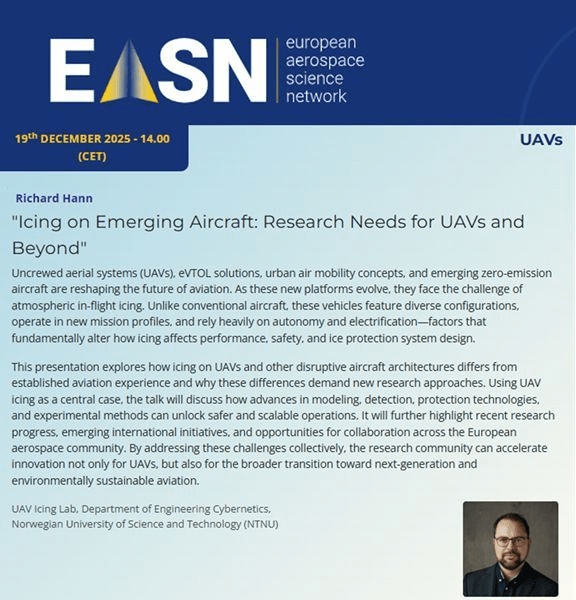
I’m very honoured to be invited to speak about this at the European Aerospace Science Network (EASN) research webinar on 19th December at 14:00 CET. In my talk titled “Icing on Emerging Aircraft: Research Needs for UAVs and Beyond”, I’ll introduce why icing remains such a pressing challenge for unmanned and disruptive aircraft—and why theContinue reading “UAV Icing at the European Aerospace Science Network’s Research Webinar”
UAV Icing at the Aircraft Icing Forum
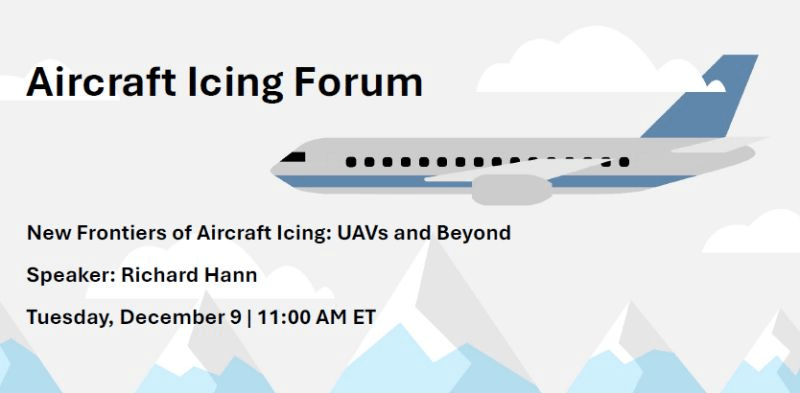
I’m incredibly honoured to be invited to speak at the upcoming Aircraft Icing Forum, a recurring monthly forum that brings together experts from research, industry, and regulatory bodies to discuss aircraft icing technologies, certification, and operational challenges – hosted by the FAA and NASA. The Aircraft Icing Forum plays a unique role in the icingContinue reading “UAV Icing at the Aircraft Icing Forum”
Aerodynamic challenges of UAVs with thermal de-icing systems
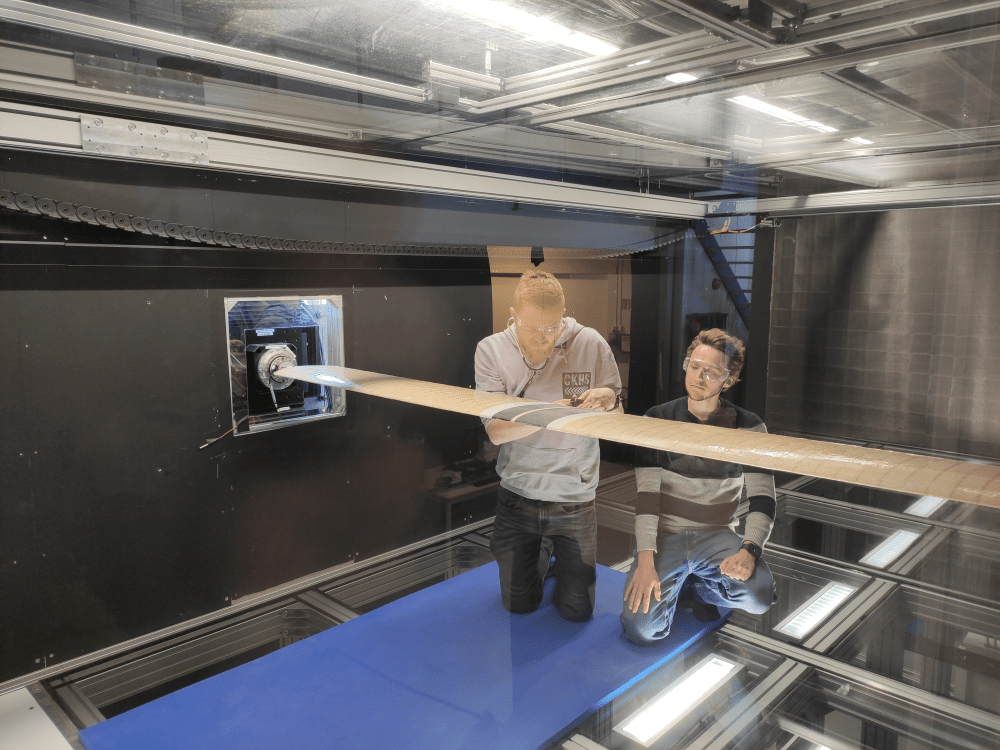
** NEW PUBLICATION ** Operating drones in cold weather causes multiple challenges. Atmospheric in-cloud icing is one of them. Aircraft are often grounded during potential icing conditions because of significant performance degradation caused by ice accretion.Ice protection systems (IPS) are one way to mitigate icing-induced performance degradations and to open the atmospheric flight envelope. However,Continue reading “Aerodynamic challenges of UAVs with thermal de-icing systems”
Panel discussion on challenges of icing for disruptive aircraft and AAM at Aviation Forum
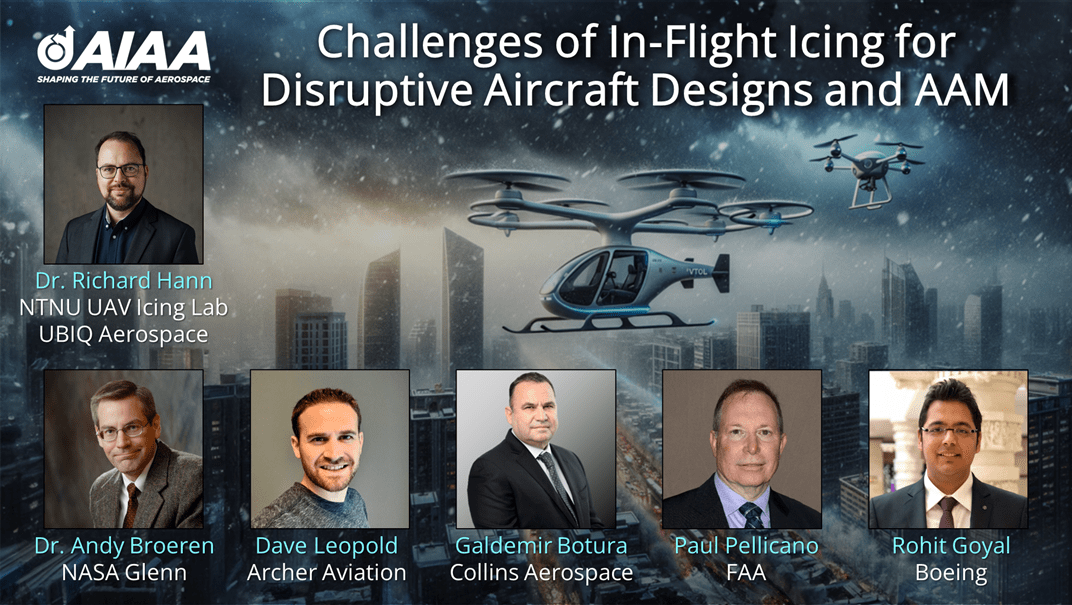
At the AIAA Aviation Forum 2024 in Las Vegas, a selected panel of experts from across the aerospace sector came together to address one of the most pressing challenges facing the industry today: the impact of in-flight icing on disruptive aircraft designs, such as fully-electric aircraft, UAVs, and eVTOLs. The panel was led by theContinue reading “Panel discussion on challenges of icing for disruptive aircraft and AAM at Aviation Forum”
UAV icing at the AIAA Aviation 2024 Forum
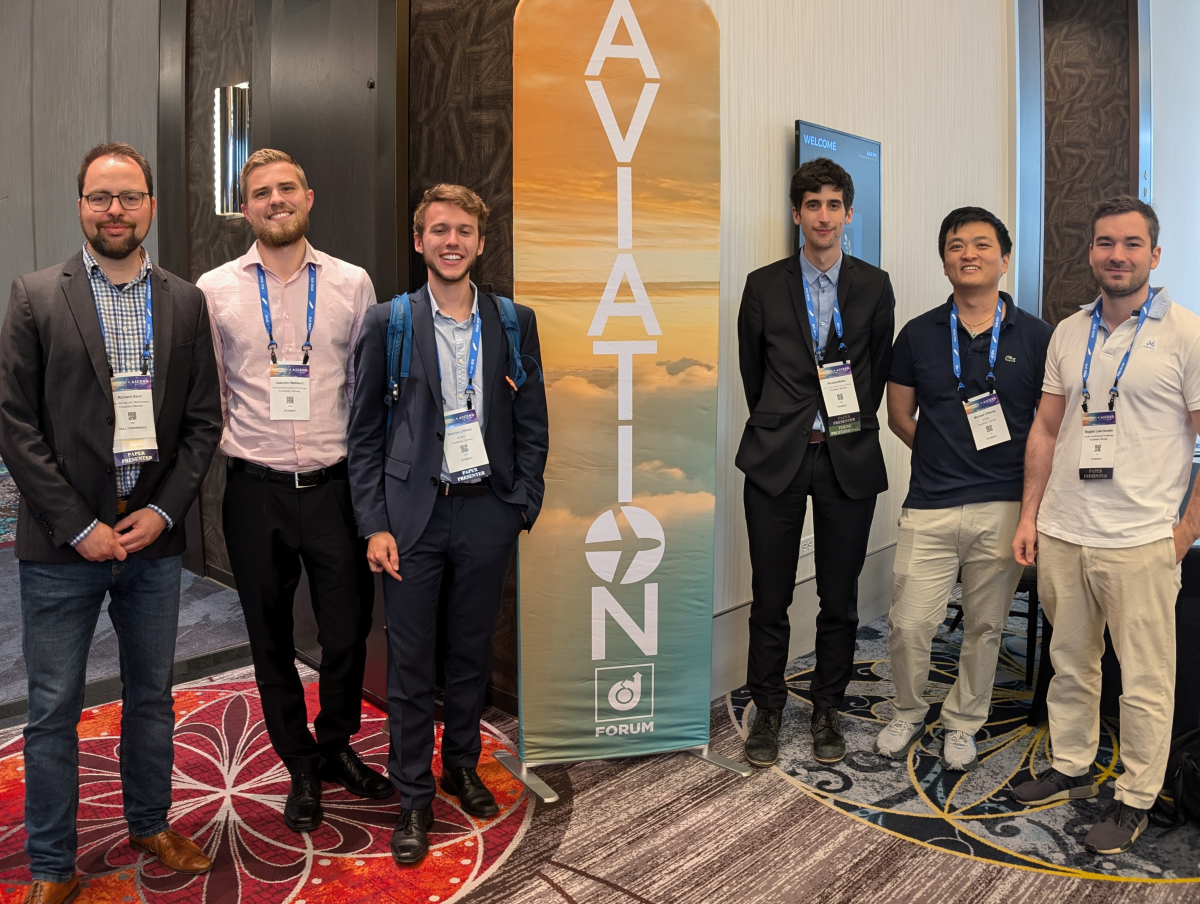
Last week, the AIAA Aviation Forum 2024 took place in Las Vegas, with over 2,900 attendees from more than 41 countries. The UAV Icing Lab participated and presented the latest developments in the field of UAV icing. The following papers with involvement from the lab were presented at the conference:
RCN support for the 2nd UAV Icing Workshop

We are thrilled to announce that the Norwegian Research Council (RCN) will be supporting our 2nd International UAV Icing Workshop with a grant of 100,000 NOK. The workshop will be held in Trondheim 03-04 December and organised by the UAV Icing Lab. This funding will allow us to keep the event free for all attendees,Continue reading “RCN support for the 2nd UAV Icing Workshop”
Exploring New Frontiers: Icing Research for Green Aviation
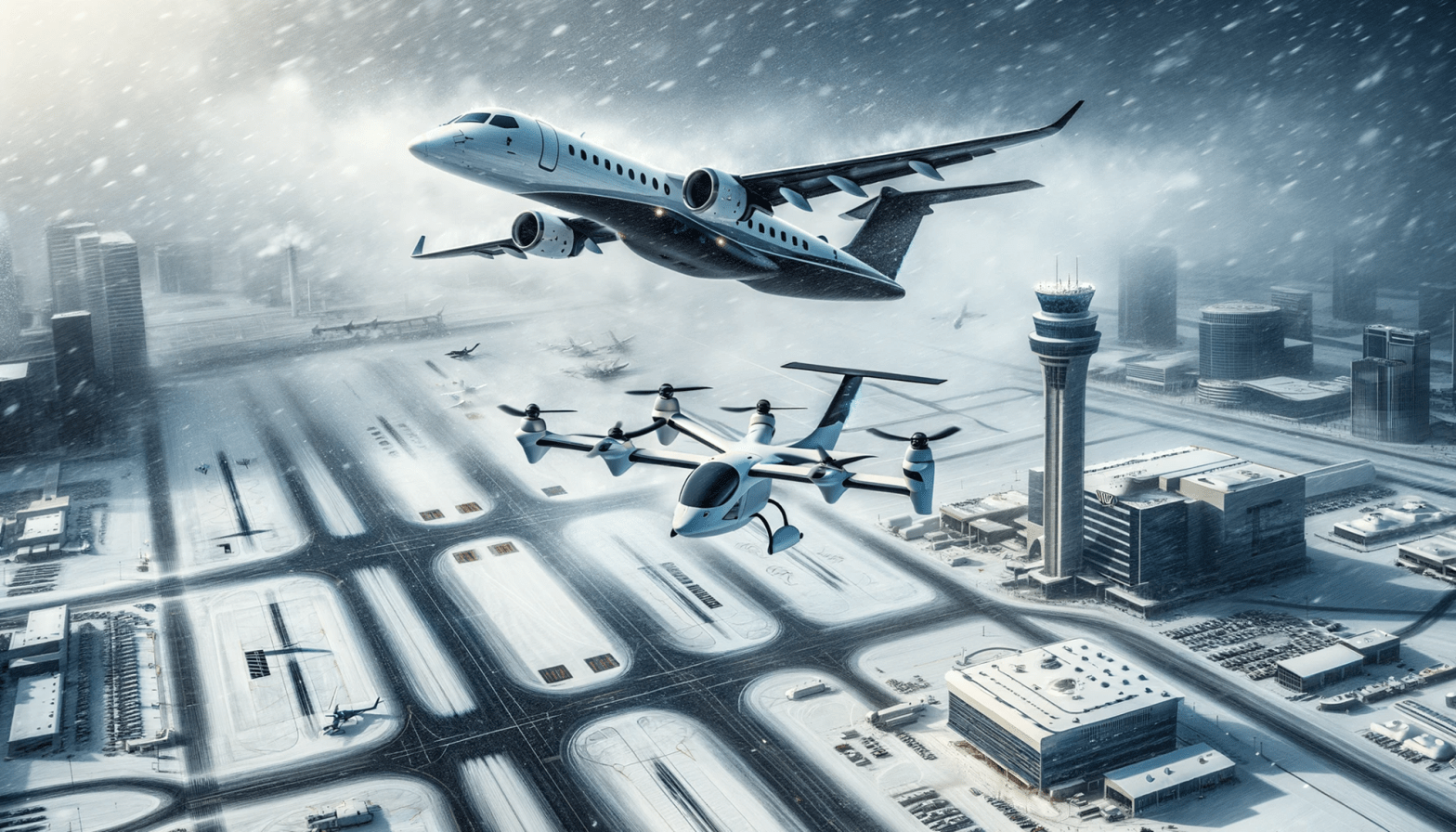
The NTNU UAV Icing Lab has obtained funding for a new research project in collaboration with UBIQ Aerospace. Together, they have received 9.1MNOK (0.8MEUR) in funding from the Norwegian Research Council for an innovation project with the title Zero Ice Shield: D•ICE Ice Protection for Aviation’s Green Evolution. The project’s motivation is the development ofContinue reading “Exploring New Frontiers: Icing Research for Green Aviation”
 UAV Icing Lab