
As the year 2023 comes to a close, it’s time to look back at a year filled with significant achievements and advancements in the field of Unmanned Aerial Vehicle (UAV) icing research. It has been an important year for the UAV icing research field and the NTNU UAV Icing Lab has contributed some of theContinue reading “Reflecting on 2023”
Category Archives: Uncategorized
Optimizing Ice Protection Systems for UAVs: Striking the Balance Between Energy Efficiency and Flight Safety

**NEW PUBLICATION** Atmospheric in-flight icing is a significant threat for all aircraft, in particular for unmanned aerial vehicles (UAVs). Hence, most UAVs require a mitigation plan in order to fly safely in icing conditions, at least in the more severe icing conditions. One way of protecting the aircraft against the negative influences of icing isContinue reading “Optimizing Ice Protection Systems for UAVs: Striking the Balance Between Energy Efficiency and Flight Safety “
Solving the in-flight ice detection challenge: Keeping small drones safe in the skies

The skies are not always as friendly as they seem, especially when flying in cold weather conditions. Although aircraft icing is considered solved for larger aircraft in civil aviation, the challenge of icing is relatively new and unexplored in the context of small drones and uncrewed aerial vehicles (UAVs). In this blog post, we willContinue reading “Solving the in-flight ice detection challenge: Keeping small drones safe in the skies”
UAV icing research takes flight at the SAE icing conference in Vienna
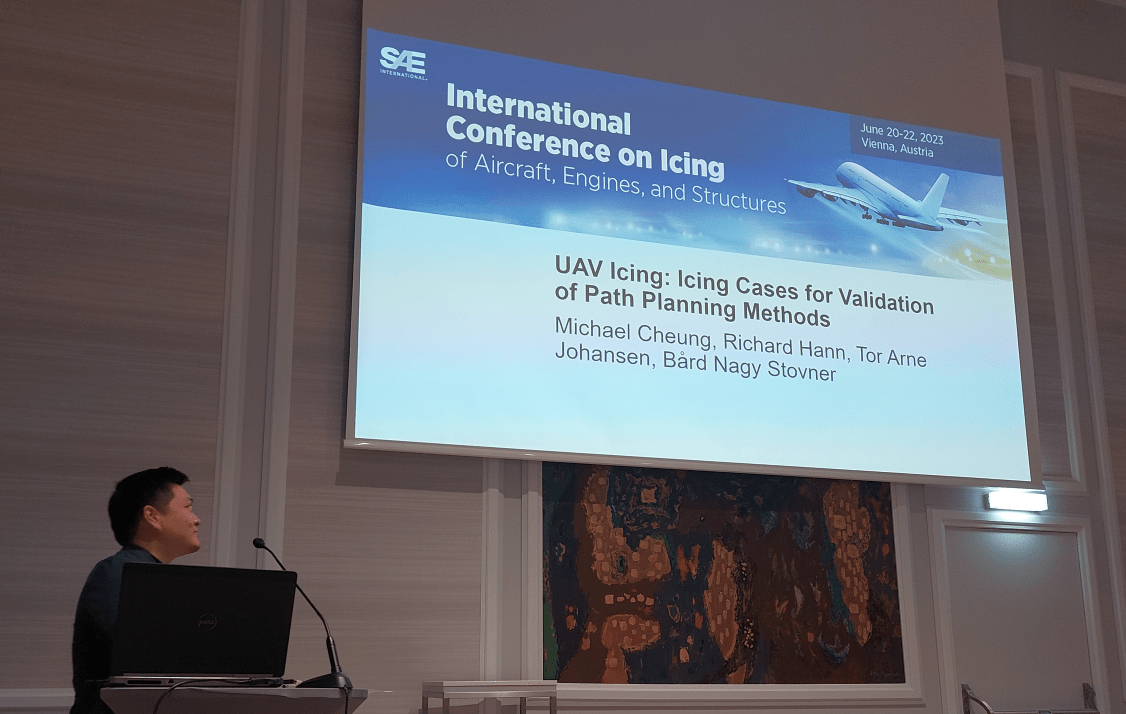
The NTNU UAV Icing Lab recently made a significant contribution to the SAE International Conference on Icing of Aircraft, Engines, and Structures in Vienna. Our team showcased our research results by presenting seven papers. As leaders in the field of UAV icing research, we are dedicated to providing knowledge and solution for unmanned aircraft operationsContinue reading “UAV icing research takes flight at the SAE icing conference in Vienna”
Icing wind tunnels – an universal tool for icing research?
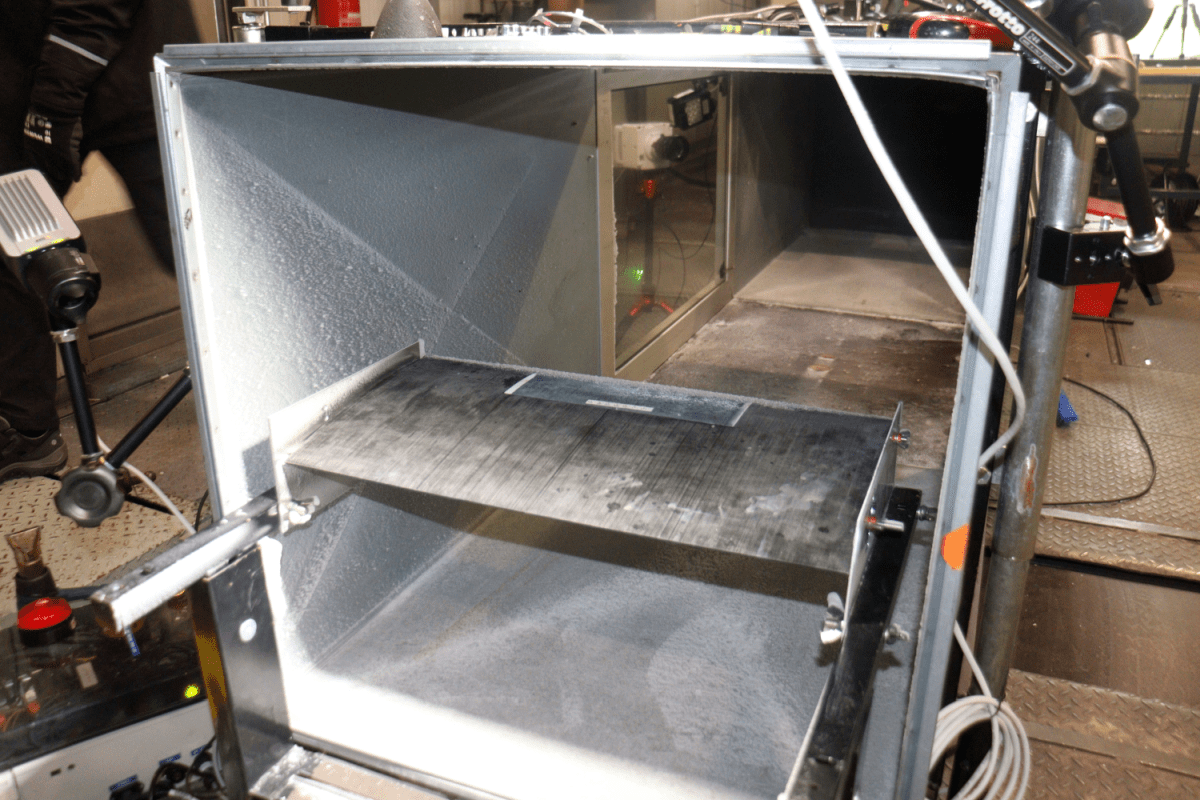
One of the challenges to the safe and reliable operation of aircraft is the hazard of in-flight icing. Ice accretions on the aircraft happen when supercooled droplets – droplets that are liquid although their temperature is below freezing – hit the surface. Depending on the position where the ice grows, different problems can arise. IceContinue reading “Icing wind tunnels – an universal tool for icing research?”
Developing robust UAV autopilot controllers for flight in icing
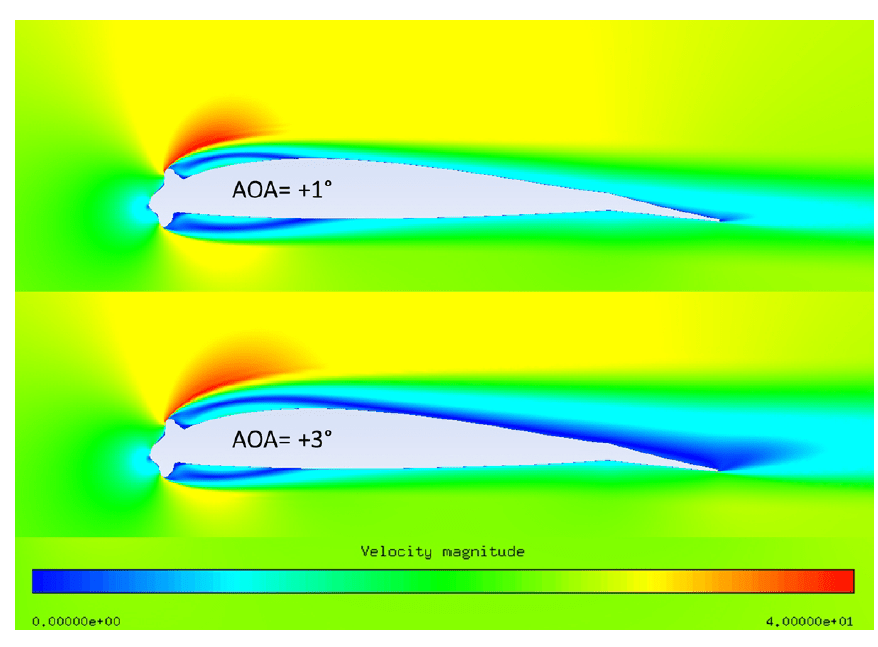
**NEW PUBLICATION** In-flight icing is a severe risk for unmanned aerial vehicles (UAVs). In these conditions, ice accumulates on the wings and propellers which disturbs the airfoil. As a consequence, the aerodynamic performance of the wings and propeller is reduced. Ice also reduces the effectiveness of the control surfaces. Most UAVs use an autopilot system forContinue reading “Developing robust UAV autopilot controllers for flight in icing”
Highlights of the UAV Icing Workshop

By Bogdan Løw-Hansen, Joachim Wallisch, Markus Lindner, Michael Cheung and Nicolas Müller The 1st International Workshop on Unmanned Aircraft Icing took place in Trondheim on 29th-30th of November. The purpose of the workshop was to gather different stakeholders interested in unmanned aerial vehicle (UAV) icing, including – scientists, engineers, manufacturers, investors, operators, and authorities –Continue reading “Highlights of the UAV Icing Workshop”
Succesful workshop!

One week after the 1st UAV Icing Workshop in Trondheim, we thank all participants for joining! With your support, we have made this event into a successful forum for discussing UAV icing-related challenges in research, industry, and regulations. More than 80 participants were registered for the event with about half of them physically present inContinue reading “Succesful workshop!”
Why propeller icing prevents UAVs from operating in bad weather
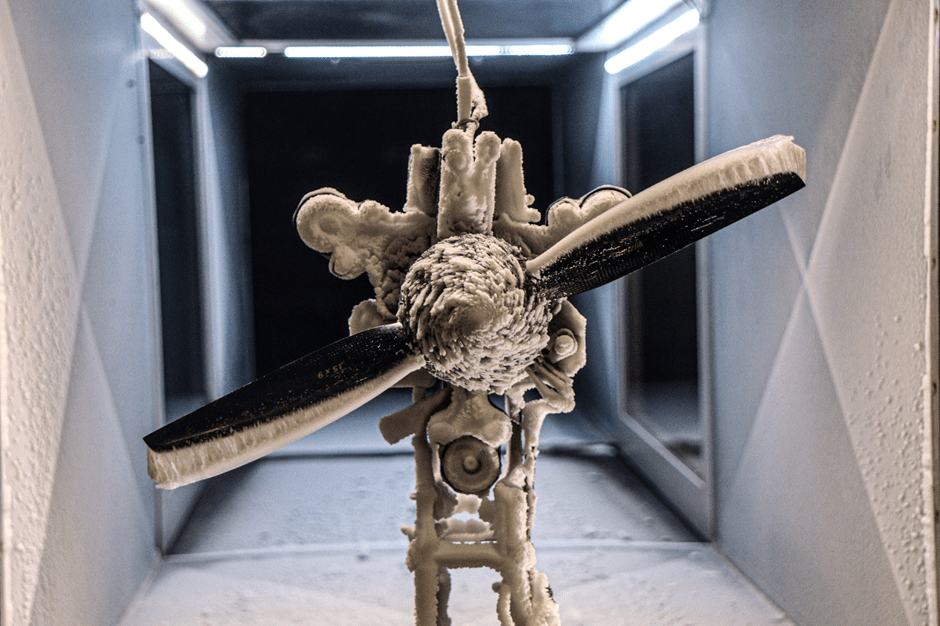
**NEW PUBLICATION** When flying in icing conditions, uncrewed aerial vehicles (UAVs) face severe dangers. The propeller of the UAV, which is creating the thrust for the UAV is especially sensitive to the accumulation of ice during flight in atmospheric icing conditions. To estimate the impact of icing on the propeller, we conducted experimental tests inContinue reading “Why propeller icing prevents UAVs from operating in bad weather”
Efficient ice protection systems – Timing is everything
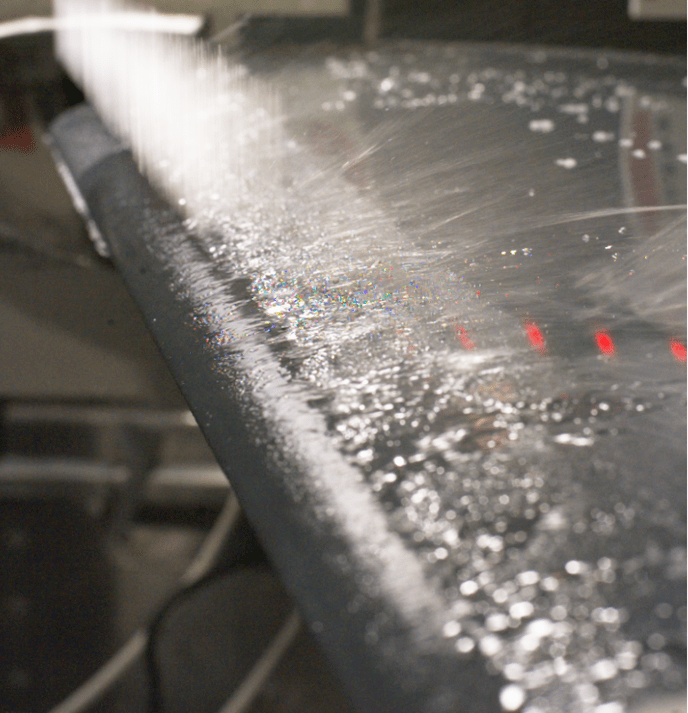
**NEW PUBLICATION** Aircraft without ice protection systems will face severe issues when flying in icing conditions. To reduce the risk of losing the aircraft, the aircraft must either remain grounded when the risk of icing exists, or it must be equipped with an ice protection system. As of today, no mature ice protection system existsContinue reading “Efficient ice protection systems – Timing is everything”

