

We often hear the following question: “How often do drones actually encounter icing conditions?”. This is a very good question – and until recently we had only vague answers. Usually, we would refer to two reports in the literature that discuss icing frequencies for the US and the rest of the world. These two reportsContinue reading “How often do drones encounter icing conditions?”
Author Archives: uavicinglab
How much energy is required to prevent ice on UAVs?
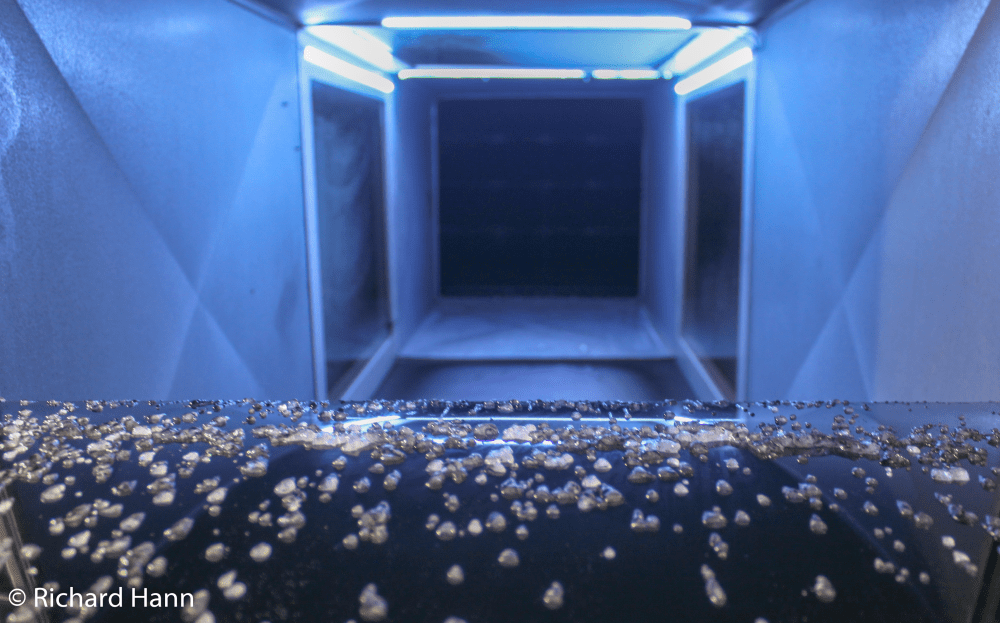
**NEW PUBLICATION** In-flight icing on UAVs is a severe hazard that prevents drone operations in bad weather conditions. In order to overcome this limitation, UAVs can be equipped with ice protection systems that mitigate the negative effects of icing. One solution is to heat the exposed surfaces of the aircraft electrically with carbon fiber materials.Continue reading “How much energy is required to prevent ice on UAVs?”
Why is icing on UAVs important?
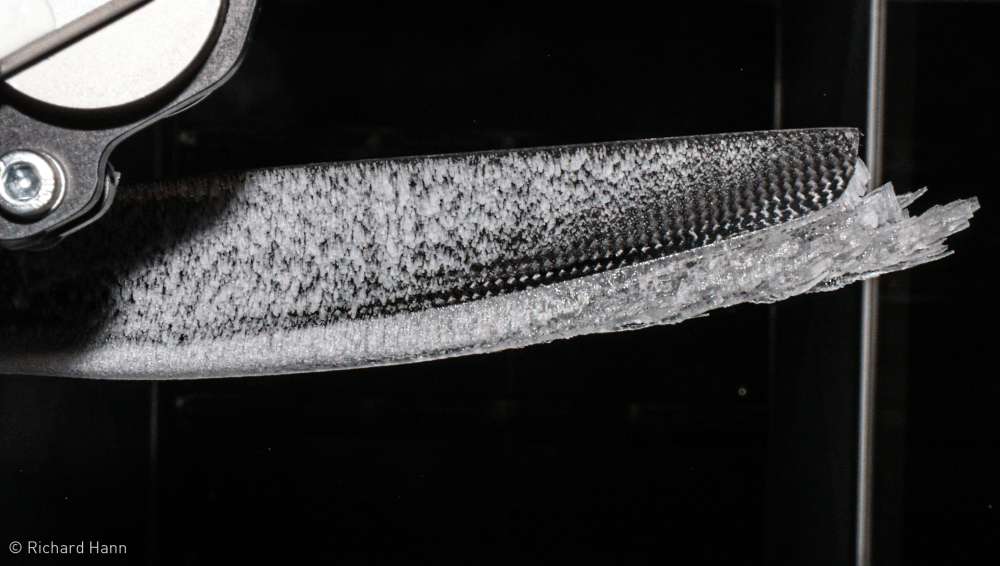
In-flight icing of drones is a severe hazard that significantly limits the usage of autonomous unmanned aerial vehicles (UAVs). The UAV Icing Lab has the mission to provide knowledge and solutions for the operations of unmanned aircraft in icing conditions. Atmospheric icing is a well known phenomenon in the Nordic countries. Icing on power linesContinue reading “Why is icing on UAVs important?”
Hello world.

Hello world! This is the first post from the UAV Icing Lab. We are a research workgroup at the Norwegian University of Science and Technology (NTNU) focussing on the challenge of atmopsheric icing on unmanned aircraft. Our mission is to provide knowledge and solution for unmanned aircraft in icing conditions. Let’s go.

